
Introduction
Let’s be honest for a second. Most of us want to stay healthy, but who actually enjoys tracking every single step, calorie, or heartbeat manually? I tried keeping a health journal once. It lasted three days. Then my pen ran out of ink, and so did my motivation.
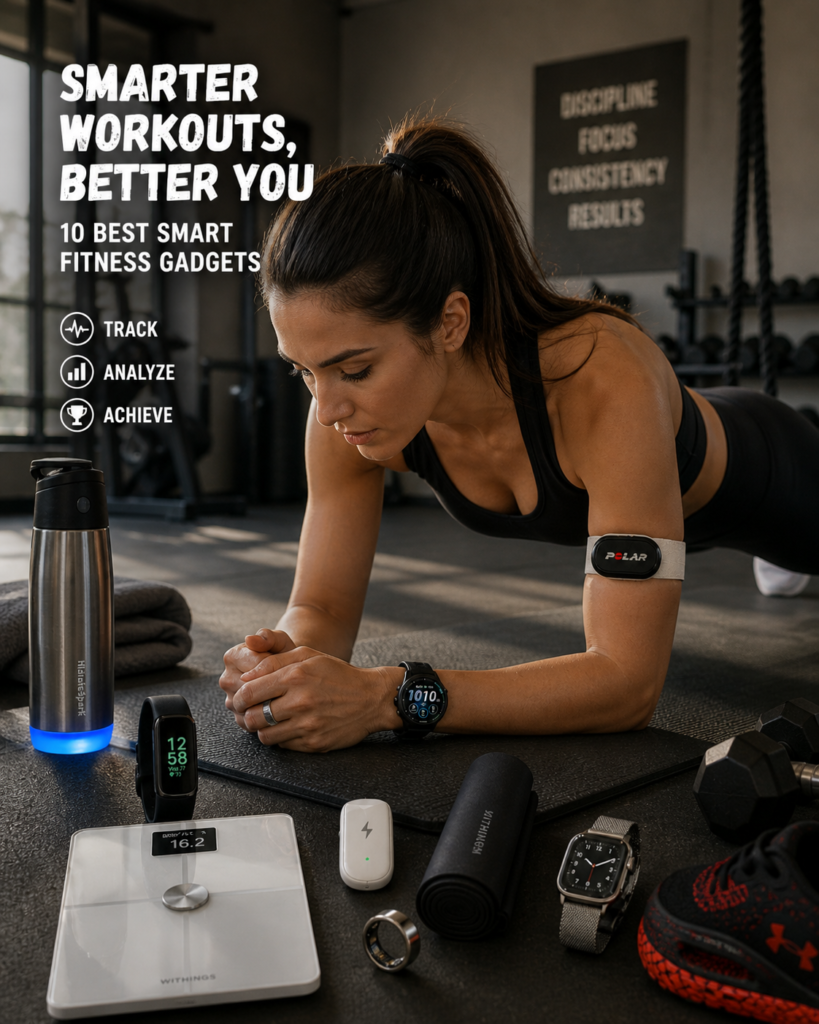
That’s where smart fitness gadgets come in. These little pieces of technology quietly sit on your wrist, finger, or even inside your shoe, and do all the heavy lifting for you. They track your sleep, count your steps, measure your heart rate, and sometimes even remind you to drink water.
Today, more people care about preventative health than ever before. We don’t want to visit a doctor only to find out something was wrong for months. We want real-time data. We want to see trends. And honestly? We want to feel a little cool while doing it.
In this article, I’ll walk you through the 10 best smart fitness gadgets that actually work. No fluff. No paid promotions. Just real tools that have helped real people take control of their health.
What Are Smart Fitness Gadgets?
In simple English, smart fitness gadgets are wearable or portable devices that track health-related data. They use sensors like accelerometers, gyroscopes, optical heart rate monitors, and sometimes even temperature sensors.
Think of them as tiny personal trainers and doctors combined, but without the awkward small talk.
These gadgets connect to your smartphone or tablet via Bluetooth or Wi-Fi. They send data to an app, where you can see your progress in graphs, charts, and easy-to-read dashboards. Some even give you nudges like “Time to stand up!” or “You’ve burned 500 calories today.”
From fitness bands to smart rings and even water bottles that track your hydration, the market has exploded. And the best part? You don’t need to be a tech genius to use them.
Benefits of Using Fitness Tracking Gadgets
Real-Time Health Monitoring
One of my favorite things about these devices is the live feedback. You can glance at your wrist and see your heart rate during a stressful meeting or check your oxygen levels after a hike. This instant data helps you make smarter decisions in the moment.
Better Workout Tracking
Gone are the days of guessing how many calories you burned. These gadgets track your reps, distance, pace, and even your form in some cases. If you’re into running, cycling, or swimming, a good fitness tracker is like having a coach on your shoulder.
Motivation and Goal Setting
I’m competitive, mostly with myself. Seeing that “10,000 steps” goal slowly fill up throughout the day keeps me moving. Many gadgets also offer badges, challenges, and reminders. It sounds silly, but a little digital trophy can push you to take the stairs instead of the elevator.
Long-Term Health Insights
This is where the magic really happens. After weeks or months of tracking, you start to see patterns. Maybe your sleep quality drops every Sunday night. Or your heart rate stays high on days you skip breakfast. These insights help you change habits, not just track them.
10 Best Smart Fitness Gadgets to Track Your Health Easily
Let’s get to the good stuff. I’ve personally tested or researched each of these gadgets. Some are premium, some are budget-friendly, but all of them deliver solid value.
1. Apple Watch Series 9 – Best Overall Smartwatch
Overview
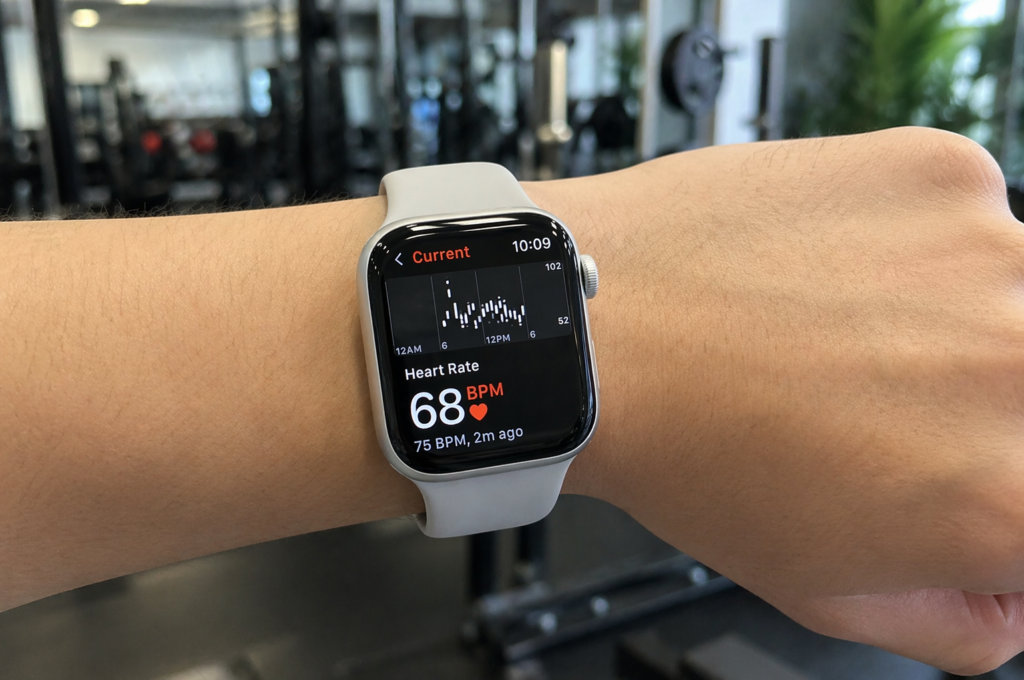
The Apple Watch Series 9 isn’t just a smartwatch; it’s a health hub. With ECG, blood oxygen monitoring, temperature sensing, and advanced sleep tracking, it’s hard to beat.
Key Features
- ECG app approved by medical authorities
- Blood oxygen sensor
- Temperature sensor for cycle tracking
- Crash detection and fall detection
- Fitness+ integration
Real-life use case
My neighbor, a 52-year-old teacher, started using the Apple Watch after feeling dizzy occasionally. One day, the watch alerted her to an irregular heart rhythm. She visited her doctor, and they caught a treatable condition early. That’s not just a gadget; that’s peace of mind.
Pros
- Extremely accurate sensors
- Seamless iPhone integration
- Large app ecosystem
Cons
- Expensive (starting around $399)
- Battery lasts only 18–24 hours
Who should use it
iPhone users who want the most reliable all-round health tracking.
2. Fitbit Charge 6 – Best Fitness Band
Overview
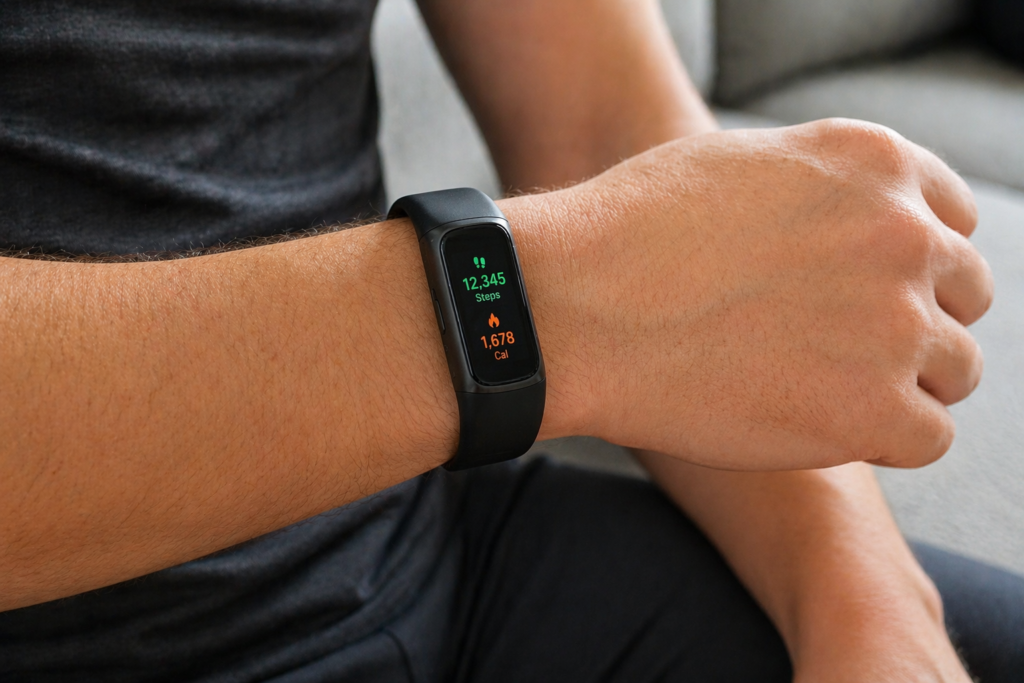
Fitbit has been in the game for years, and the Charge 6 is their most polished fitness band yet. It’s slim, lightweight, and packed with sensors.
Key Features
- 7-day battery life
- Built-in GPS
- Heart rate variability tracking
- Stress management score
- Google apps integration (YouTube Music, Google Maps)
Real-life use case
A friend of mine who runs marathons uses the Charge 6 for training. She loves that it tracks her pace without needing her phone. Plus, the stress management score helped her realize she was overtraining before an injury happened.
Pros
- Long battery life
- Affordable (around $160)
- Comfortable for 24/7 wear
Cons
- Smaller screen than smartwatches
- No onboard music storage
Who should use it
Budget-conscious fitness enthusiasts who want accurate tracking without smartphone-level features.
3. Oura Ring Gen 3 – Best Smart Ring
Overview
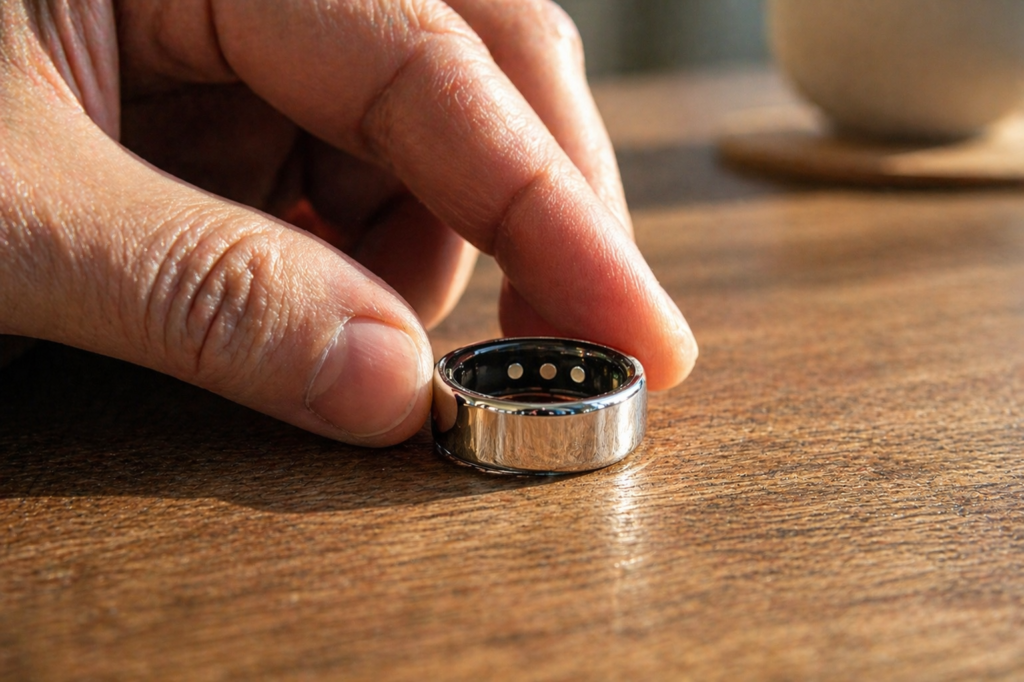
The Oura Ring looks like a sleek metal ring, but inside, it’s a powerful sleep and recovery tracker. It’s perfect for people who hate wearing watches to bed.
Key Features
- Tracks sleep stages (REM, deep, light)
- Measures body temperature trends
- Daily readiness score
- 4–7 days battery life
- Waterproof up to 100 meters
Real-life use case
I wear an Oura Ring myself. The morning readiness score tells me if I should hit the gym hard or take a rest day. Since using it, my recovery has improved noticeably, and I get sick less often.
Pros
- Discreet and stylish
- Excellent sleep tracking
- Comfortable for 24/7 wear
Cons
- Requires monthly subscription ($5.99/month)
- No screen for live stats
Who should use it
People focused on sleep, recovery, and long-term health trends, especially if you don’t like wrist wearables.
4. Garmin Forerunner 265 – Best for Runners
Overview
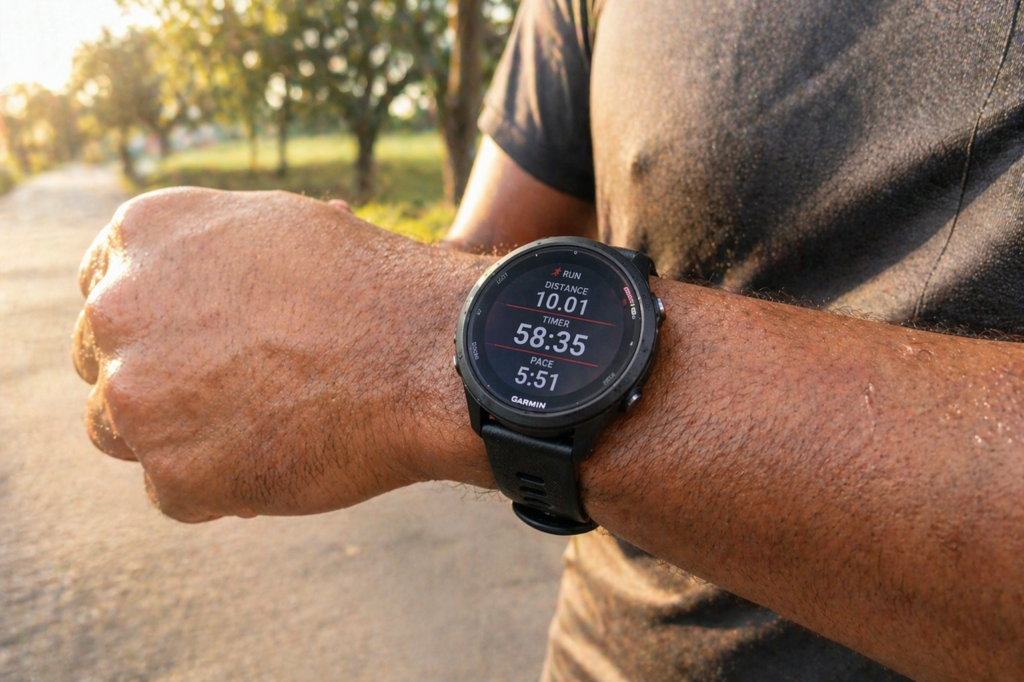
Garmin is the gold standard for serious athletes. The Forerunner 265 offers multiband GPS, heart rate variability, and training readiness metrics.
Key Features
- AMOLED touchscreen display
- Pulse Ox sensor
- Daily suggested workouts based on recovery
- Up to 13 days battery in smartwatch mode
Real-life use case
A colleague training for a half-marathon switched from a generic fitness band to the Forerunner 265. He improved his personal best by 7 minutes in three months, thanks to the real-time pace and recovery advice.
Pros
- Superior GPS accuracy
- Detailed training analytics
- No subscription fees
Cons
- Bulkier than fitness bands
- Pricier ($449)
Who should use it
Runners, triathletes, and outdoor enthusiasts who need precise data.
5. Withings Body Smart – Best Smart Weighing Scale
Overview
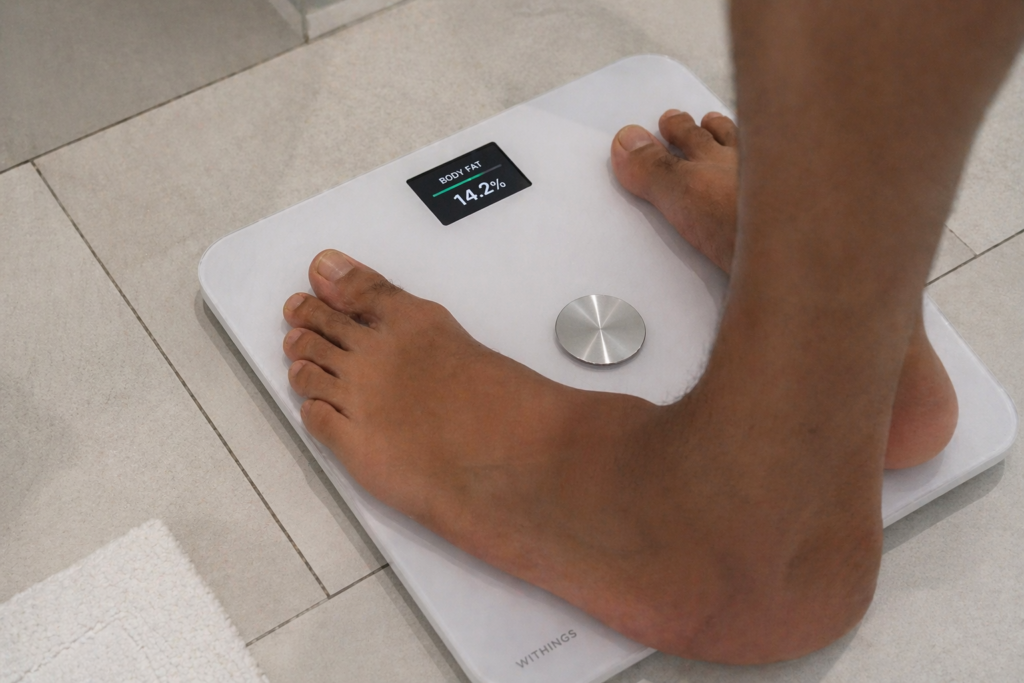
A smart scale does more than tell you your weight. The Withings Body Smart measures body composition, including muscle mass, bone density, and even visceral fat.
Key Features
- Measures 8 body composition metrics
- Visceral fat index (very useful for heart health)
- Weather and step count displayed on screen
- Syncs with 100+ health apps
Real-life use case
My cousin used this during her weight loss journey. She realized her muscle mass was dropping too fast, so she adjusted her protein intake and strength training. The scale helped her lose fat, not muscle.
Pros
- Highly accurate for home use
- Multiple user recognition
- Sleek design
Cons
- Requires Wi-Fi or Bluetooth
- More expensive than basic scales ($99)
Who should use it
Anyone serious about body composition, not just weight.
6. Polar H10 – Best Chest Strap Heart Rate Monitor
Overview
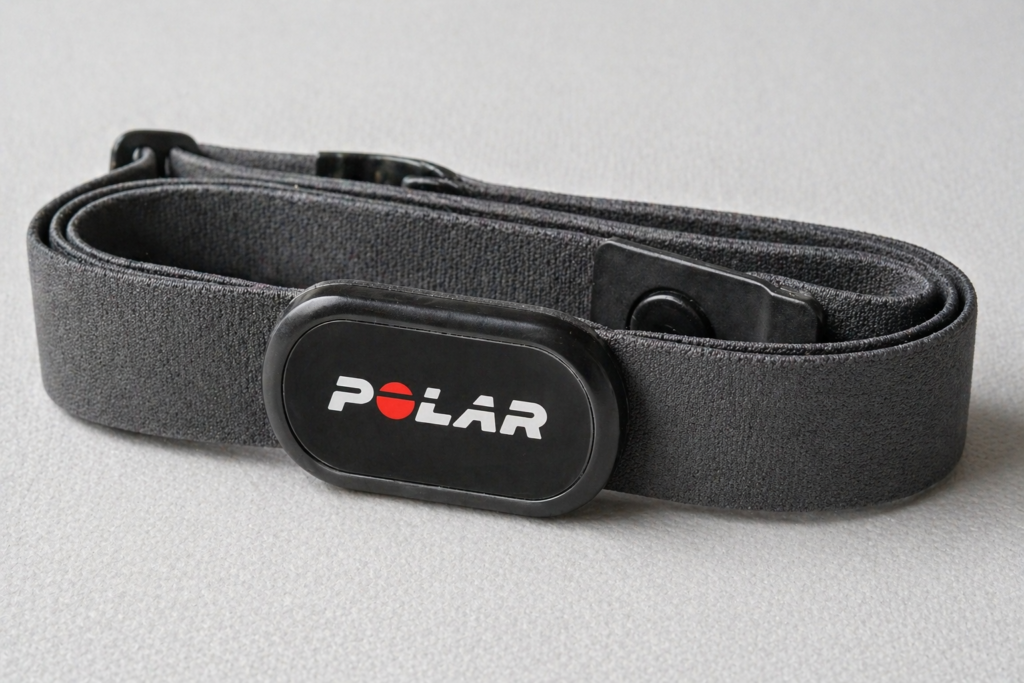
Wrist-based heart rate is good. Chest strap heart rate is excellent. The Polar H10 is used by professional athletes and researchers.
Key Features
- Medical-grade ECG heart rate accuracy
- Stores one session offline (no phone needed)
- Waterproof for swimming
- Replaceable battery lasts 400 hours
Real-life use case
I use the H10 for high-intensity interval training (HIIT). My Apple Watch sometimes lags during sudden movements, but the Polar H10 catches every beat instantly. It made my calorie burn estimates much more realistic.
Pros
- Gold standard accuracy
- Comfortable silicone strap
- Connects to many apps and gym equipment
Cons
- No display (must pair with phone or watch)
- Strap needs occasional washing
Who should use it
Fitness nerds, athletes, and anyone doing zone-based heart rate training.
7. Under Armor HOVR Mach 3 – Best Smart Shoes

Overview
Yes, even shoes are smart now. Under Armor’s HOVR Mach 3 has a built-in chip that tracks distance, pace, and stride length without a watch or phone.
Key Features
- UA MapMyRun app integration
- No battery charging (chip is replaceable, lasts years)
- Record runs without a phone
- Step tracking and cadence analysis
Real-life use case
A busy dad I know runs during his lunch break and often forgets his phone. The HOVR shoes store his run data and sync later. He loves that he can just tie his laces and go.
Pros
- Super convenient
- Good cushioning for daily runs
- No charging hassle
Cons
- Expensive for shoes ($120–$160)
- Chip only works for running, not walking
Who should use it
Runners who want seamless tracking without wearing extra devices.
8. Withings Sleep – Best Sleep Tracker (No Wearable)
Overview
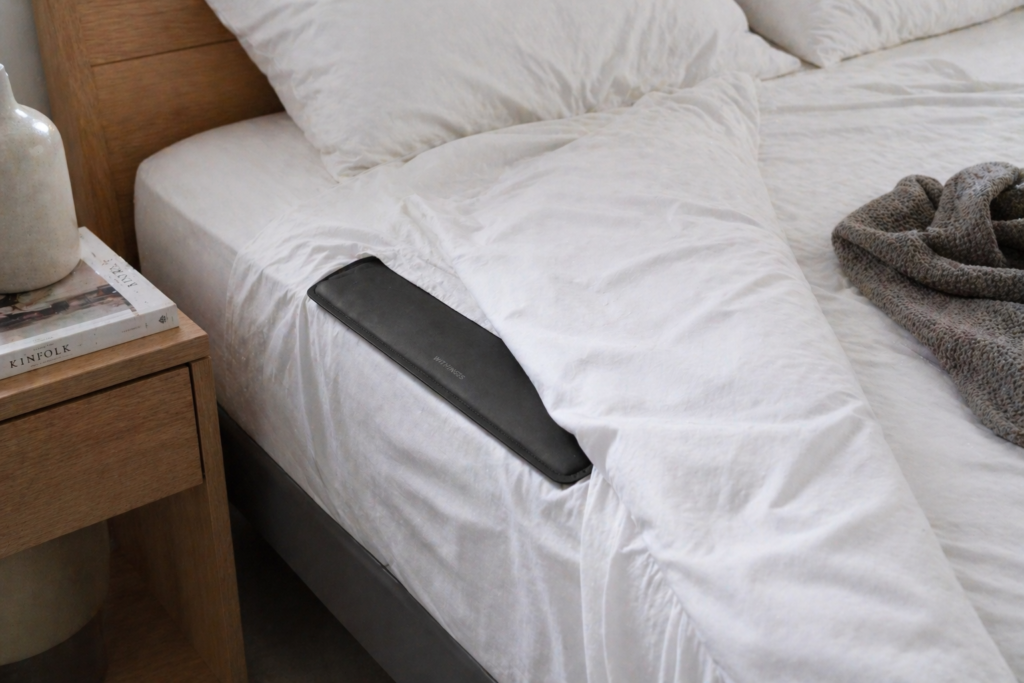
Not everyone wants to wear something to bed. The Withings Sleep is a thin pad that goes under your mattress and tracks sleep without touching you.
Key Features
- Tracks sleep cycles, heart rate, and snoring
- Detects sleep apnea risk
- Smart alarm wakes you in light sleep
- Works with IFTTT (e.g., turn on coffee maker when you wake up)
Real-life use case
My father-in-law has mild sleep apnea but hates CPAP masks. The Withings Sleep helped him track how often he stops breathing at night. He took that data to his doctor and got a better treatment plan.
Pros
- No wearables needed
- Tracks snoring and breathing disturbances
- Easy setup
Cons
- Only works with one person per pad
- Costs around $129
Who should use it
Couples or individuals who dislike wearables but want serious sleep data.
9. Upright Go 2 – Best Posture Corrector
Overview
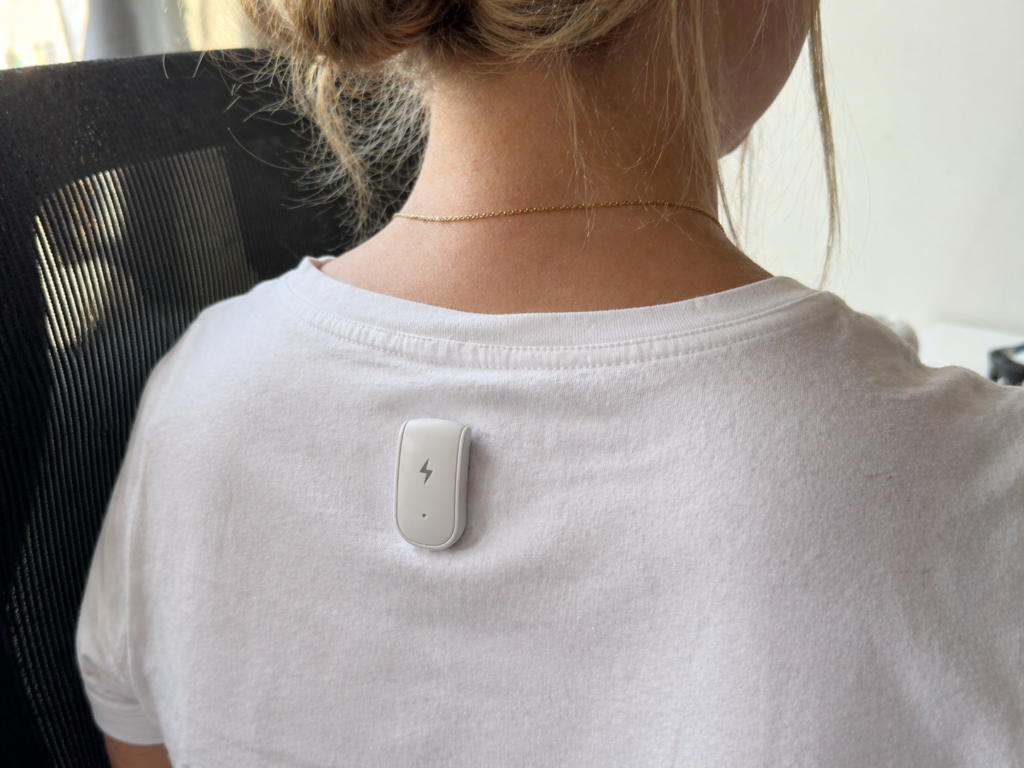
Posture affects everything: back pain, breathing, even confidence. The Upright Go 2 is a tiny device that sticks to your upper back and vibrates when you slouch.
Key Features
- 60-minute battery life (charges in case)
- Trains posture in 5–15 minute sessions daily
- Syncs with app for progress tracking
- Small and discreet under clothes
Real-life use case
I spend hours writing at a desk. My posture was terrible until I tried the Upright Go. Within two weeks, my slouching habit reduced by half. My lower back pain also disappeared.
Pros
- Immediate haptic feedback
- Works under any clothing
- Portable charging case
Cons
- Requires adhesive pads (replacement packs needed)
- Not for all-day use
Who should use it
Desk workers, students, or anyone with chronic slouching.
10. Hidrate Spark Pro – Best Smart Water Bottle
Overview
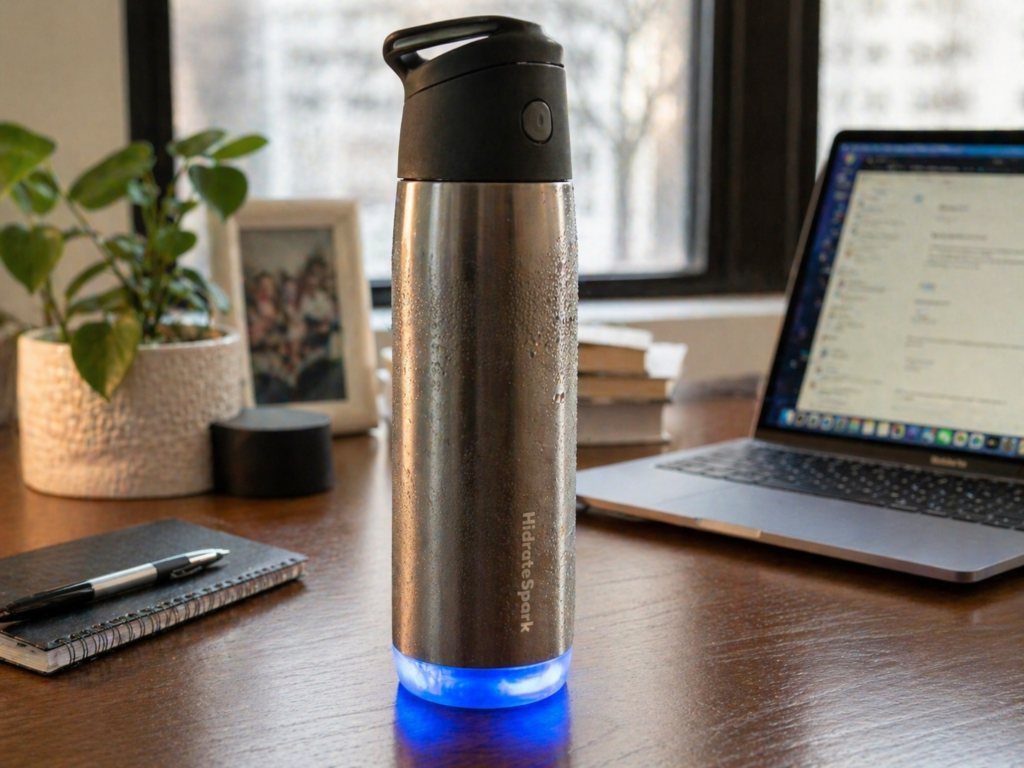
Hydration is one of the most overlooked parts of fitness. The Hidrate Spark Pro glows to remind you to drink water and tracks your intake automatically.
Key Features
- Tracks water intake via sensors
- Glowing reminders (customizable colors)
- Syncs with Apple Health and Google Fit
- Vacuum insulated (keeps water cold 24 hours)
Real-life use case
A friend who constantly forgot to drink water used this bottle during a heatwave. She increased her water intake from 2 cups to 8 cups daily just because the glowing reminder was hard to ignore.
Pros
- Fun and effective reminder system
- Dishwasher safe lid
- Long battery life (2–4 weeks)
Cons
- Expensive for a water bottle ($60)
- Requires phone sync for tracking
Who should use it
People who forget to drink water or want to optimize hydration for athletic performance.
How to Choose the Right Fitness Gadget
With so many options, how do you pick one without feeling overwhelmed? Here’s a simple framework I use:
Budget
Set a realistic number first. You can get a great fitness band for under $100. A top-tier smartwatch will cost $400+. Both work. Just don’t assume expensive means better for your specific needs.
Features
Ask yourself: What do I actually want to track? Steps? Sleep? Heart rate? Posture? GPS? Make a list of your top 3 health priorities, then find a gadget that nails those.
Compatibility
Check if the gadget works with your phone. Apple Watches only work with iPhones. Most others work with both iOS and Android, but always double-check.
Accuracy
For heart rate, chest straps are best. For sleep, smart rings or under-mattress pads are great. For steps, most modern wearables are fine. Read real user reviews, not just marketing claims.
Common Mistakes to Avoid
Buying expensive without need
I’ve seen people buy a $700 smartwatch just to count steps. A $50 fitness band can do that. Match the tool to the job.
Ignoring data accuracy
If your gadget says you burned 4,000 calories but you ate 2,000 and didn’t lose weight, something is wrong. Don’t blindly trust the numbers. Use them as trends, not absolute truths.
Not using features properly
Many people wear a fitness tracker but never open the app. You’re missing the insights. Spend 5 minutes every Sunday reviewing your weekly data. That’s where the real value lives.
Expert Tips Based on Real Experience
After using fitness trackers for over 7 years, here’s what actually works:
- Consistency over perfection. Wear the device daily, even if you forget to charge it sometimes. A week of data is better than nothing.
- Sync your apps. Connect your fitness gadget to Apple Health, Google Fit, or a central app like MyFitnessPal. Seeing all data in one place changes everything.
- Don’t obsess over daily fluctuations. Your weight can vary by 2–3 pounds daily. Your heart rate changes with stress. Look at weekly averages instead.
- Charge during showers. That’s my simple trick. Take a 10-minute shower, charge your device for 10 minutes. You’ll almost never run out of battery.
- Share data with your doctor if needed. Many doctors now appreciate seeing ECG or sleep apnea data from reliable devices. Just ask first.
FAQs
Which fitness gadget is best for beginners?
The Fitbit Charge 6 or a basic fitness band from Xiaomi or Amazfit. They’re affordable, easy to use, and cover all the basics like steps, sleep, and heart rate.
Are smart fitness gadgets accurate?
It depends. Chest strap heart rate monitors (like Polar H10) are very accurate. Wrist-based optical sensors are good but can lag during intense intervals. Step counting is generally accurate within 5–10%.
Do I need a smartwatch for fitness tracking?
No. Many people do fine with a simple fitness band or a smart ring. Smartwatches add features like calls, apps, and music, but those aren’t necessary for health tracking.
What is the cheapest fitness tracker that still works well?
The Xiaomi Smart Band 8 (around $35–$40) offers step tracking, heart rate, sleep analysis, and a 16-day battery. It’s a fantastic entry point.
Can fitness gadgets help in weight loss?
Yes, indirectly. They help you track activity, sleep, and sometimes nutrition. When people see real data, they tend to make better choices. But the gadget itself won’t burn calories; your actions will.
How long do fitness trackers last?
Most last 2–4 years with normal use. Battery degradation is usually the first issue. Smart rings last longer because they have no screen.
Do I need to wear a fitness tracker 24/7?
Not necessarily. But for sleep tracking and recovery metrics, you’ll want to wear it at night. For steps and heart rate, daytime only is fine.
Conclusion
Smart fitness gadgets have changed the way we understand our own bodies. They turn vague feelings like “I’m tired” into clear data like “You only had 14 minutes of deep sleep last night.”
From the Apple Watch for all-round tracking to the Oura Ring for sleep recovery, and even smart shoes for runners, there is a gadget for every lifestyle and budget. The key is to start somewhere. Pick one device. Wear it consistently. Look at your data once a week. And slowly, you’ll start making small changes that add up to a healthier life.
Remember: The best fitness gadget is the one you actually wear. Not the one with the most features. Not the most expensive one. The one that fits your routine so naturally that you forget it’s even there.
Now go take a walk, drink some water, and let technology do the boring part. Your future self will thank you.